
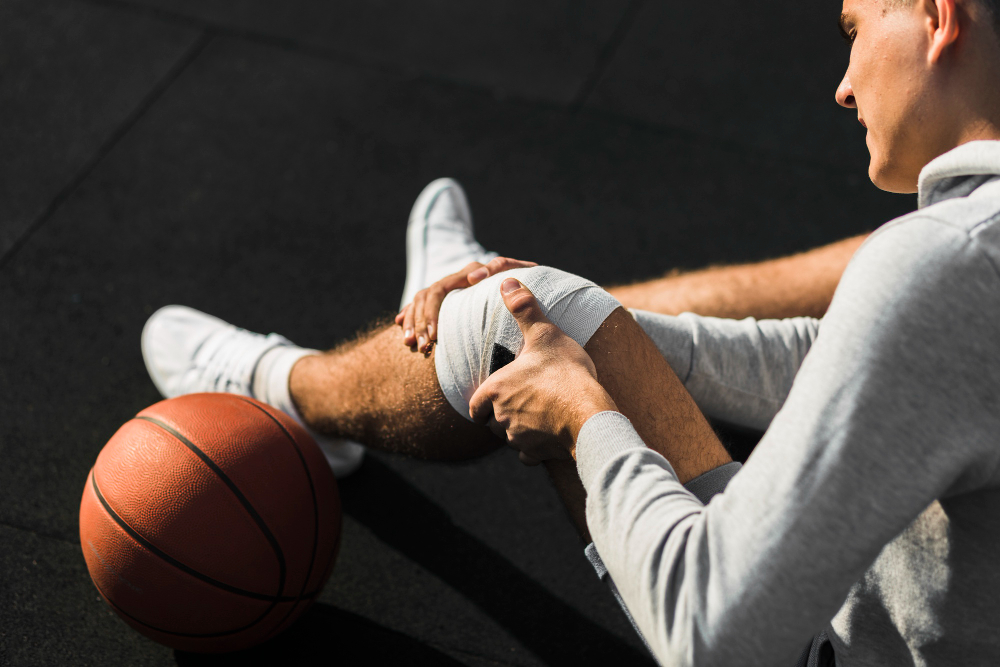
What Are Sports Injuries?
Sports injuries are injuries that happen during exercise or while playing sports. They can affect muscles, bones, joints, or tendons. Because these injuries are common, it is important to know how to spot them early. For example, a twisted ankle or a pulled muscle are both types of sports injuries. Many people want to know how to prevent sports injuries and how to recover from them quickly. According to the CDC, millions of people get sports injuries each year.
Common Symptoms of Sports Injuries
Sports injuries can cause many different symptoms. However, some signs are more common than others. If you notice any of these, you may have a sports injury:
Sometimes, symptoms appear right away. Other times, they may develop slowly. Either way, it is important to pay attention to your body.
Causes and Risk Factors
Sports injuries can happen for many reasons. Often, they occur when you use a body part too much or move it the wrong way. But there are other risk factors as well. For instance, not warming up before exercise can increase your risk. In addition, using poor equipment or playing on unsafe surfaces can lead to injuries. Here are some common causes and risk factors:
Because everyone is different, some people may be more likely to get injured than others.
How Sports Injuries Are Diagnosed
Doctors use several methods to diagnose sports injuries. First, they ask about your symptoms and how the injury happened. Next, they may examine the injured area. Sometimes, they will order tests to get a better look. For example, they might use:
Early diagnosis helps you start the right treatment for sports injuries. It also helps prevent further damage.
Treatment Options for Sports Injuries
Treatment for sports injuries depends on the type and severity. However, many mild injuries get better with simple care at home. The most common method is called R.I.C.E.:
In some cases, you may need medicine for pain or swelling. For more serious injuries, a doctor may suggest physical therapy or even surgery. Because every injury is different, always follow your doctor’s advice for sports injury recovery.
Tips for Preventing Sports Injuries
Preventing sports injuries is possible with a few simple steps. For example, warming up before activity can prepare your body. In addition, using the right gear keeps you safe. Here are some helpful tips:
Because prevention is better than cure, these steps can help you stay active and safe.
When to See an Orthopedic Specialist
Sometimes, a sports injury needs expert care. You should see an orthopedic specialist if:
Early treatment can help you recover faster and avoid long-term problems. If you are unsure, it is always better to get checked by a doctor.
If you suspect a sports injury, consult an orthopedic specialist for personalized care and advice.